 Free live webinar

Free live webinar with Ashley CoatesMonday, November 23, 2026, at .
Should You Own a Residential Care Facility?
You've done the research and you still can't tell a good business from a good pitch. In this free session, Ashley Coates walks through two facilities she opened two different ways, the house she passed on, and the four decisions she makes before she puts money into a property.
Save your seat
Monday, November 23, 2026 · 2:30 PM PST
Free. If you can't make it live, register anyway and we'll email you the recording.
Most of what's online was made to get you in.
Revenue screenshots. Facility tours. Very little about what an owner does all week, or how to tell whether a market can support a facility before you buy a house in it.
We built this session for people who want to make that call on real information. Yes is a good answer. So is No. So is Not Yet.
What Ashley walks through on November 23
Treasure and Sentinel
Treasure is a 6-bed RCFE that Ashley bought in 2014 as an already-operating facility. Sentinel was a severely distressed house she bought in 2022 and remodeled into a 4-bed specialty adult residential facility for adults 18 to 59. The $120,000 renovation covered a new roof, solar, plumbing, electrical, windows, siding, a reworked floor plan, landscaping and fencing. You'll see what each path asked of her.
Redding
Too many facilities were already operating nearby, and the area had a lot of vacancy. Owning the house didn't make it the right market.
Care and real estate
A care business and a real estate business are separate businesses with separate numbers. Ashley pulls them apart.
What Ashley looks at in each one
The same four the Feasibility Sprint works through.
Market and demand
Calls from placement agencies and case managers, her own waitlist and the inquiries she turns away, and referrals from local hospitals and skilled nursing.
Property and location
The size of the home, the bedrooms and the bathrooms, how many residents it can hold under licensing rules, whether it can meet licensing and fire requirements, how safe the neighborhood is, and the distance for staff, for families and to community access.
Financial and capital
The total project cost against the value after renovation, how many months of costs she can carry before the first resident, and what the market pays for that type of care.
Operator readiness
Whether there's someone qualified to be the administrator, and how many hours a week you can give it in year one.
From 40 hours a week to 90 minutes
In 2014, her first year as an owner, Ashley worked 40 to 50 hours a week in the business. Today she runs five facilities in about an hour and a half a week using the systems she'll show you. She covers what sat between those two numbers.
Three good answers
Yes, No and Not Yet. You'll leave knowing which questions decide yours.
Live Q&A at the end
Bring your questions.
Who it's for, and who it isn't
This session is for you if:
- You don't own or operate a licensed care facility yet, and you're deciding whether to open one.
- You have capital, or access to it, and want to know whether residential care is the right place for it.
- You'd rather reach a No before you buy a property than after.
- You want real numbers from real buildings, and worked examples that are labeled as examples.
This session isn't for you if:
- You already own or operate a licensed facility, or you're under contract or in buildout. Your questions have moved from whether to open to how to run it. Start with the AI Masterclass for Residential Care.
- You want a rental and not a business. A care facility is an operating business with residents and staff.
- You want income projections or a promise that this will work. There aren't any in this session.
Three people. Two No answers. One Yes.
Lindsey Stuckey reached a No. Her market didn't support the numbers she needed to be profitable.
Ashley Cole, a Feasibility Sprint participant, reached a Yes and is pursuing opening.
This feasibility course has been extremely helpful flushing out the facts and potential difficulty right away. It also questioned my desire to jump into something new to vet how committed I was with the business in general.
I recently completed Ashley Coates’ Feasibility Sprint for residential assisted living, and it was incredibly helpful. Before the course, I had very little understanding of how to actually evaluate whether a home would work in my market. Ashley broke everything down—from researching local demand, to understanding regulations and fire codes, to underwriting the financials. She really took the guesswork out of the process and gave me a clear roadmap for how to move forward.
All three are good outcomes. The point of the work is an answer you can trust, whichever one it turns out to be.
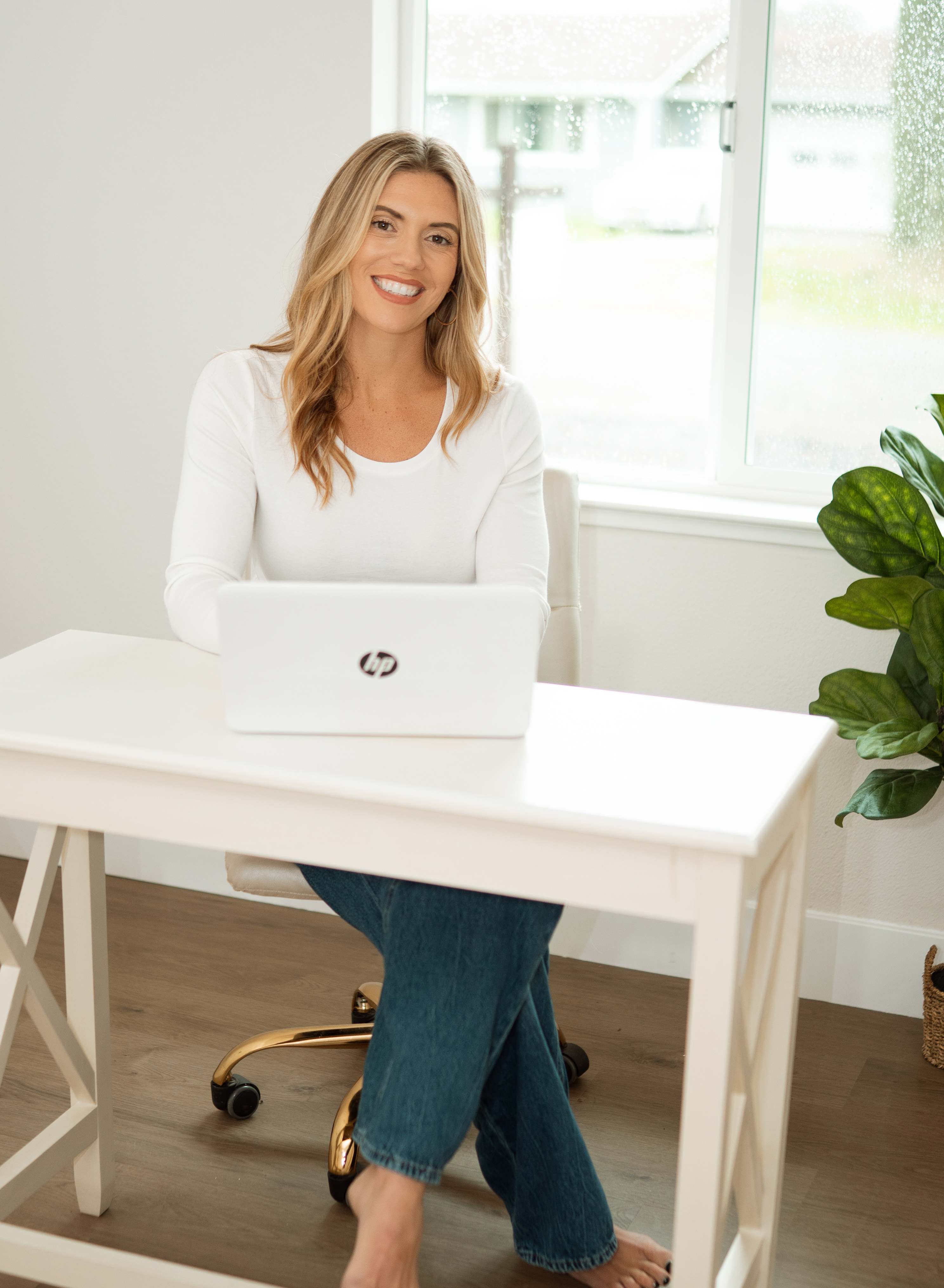
Who's teaching
Ashley Coates came into residential care in 2010 and bought her first two facilities in 2014. She came in through real estate and financial services.
In 2014 she worked 40 to 50 hours a week in the business. She did the scheduling and call-outs, the meal planning and grocery shopping, the hiring, training and onboarding, and the bookkeeping herself. Today she runs five facilities in about an hour and a half a week, and someone else holds every one of those jobs.
She founded Residential Care Collective to teach from the buildings she runs today.
Questions
Is it free?
How long is it?
What if I can't make it live?
Will Ashley share what her residents pay?
Will there be income projections?
Is anything for sale?
I already own or operate a licensed facility. Should I come?
Ashley's facilities are in California. Does this apply where I live?
Make the decision on real numbers, before you buy a property.
Monday, November 23, 2026, at 2:30 PM PST. Free, live, with Q&A.